Abstract
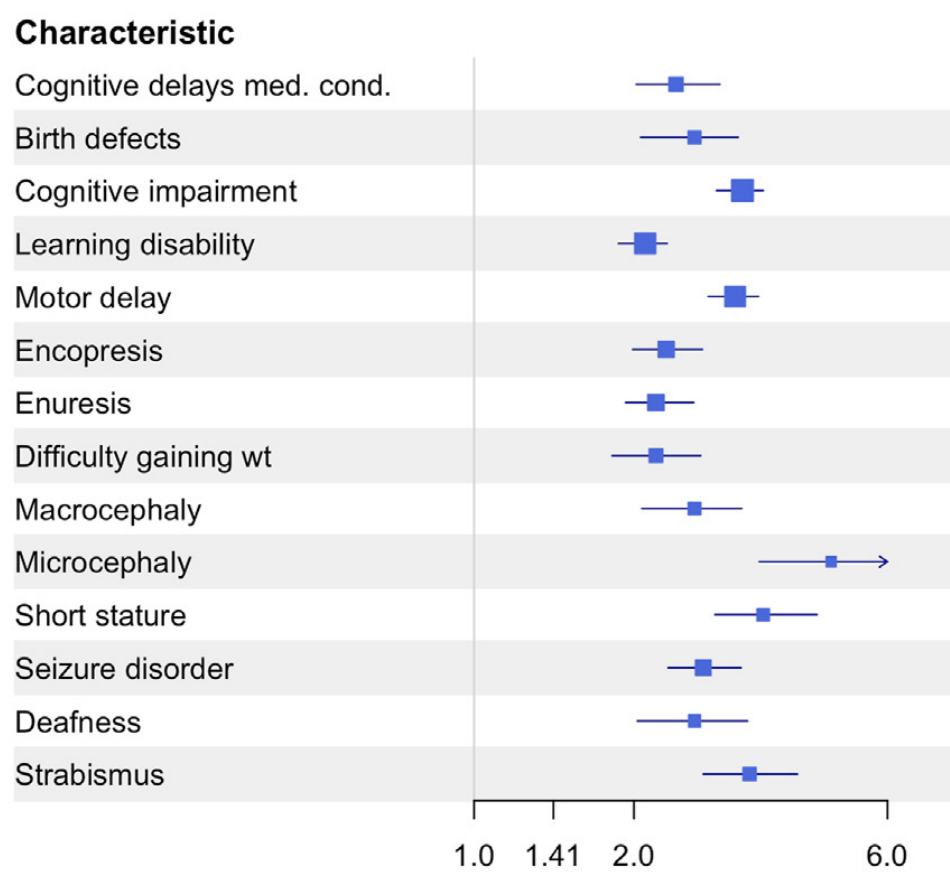
Purpose: The aim of this study is to identify likely pathogenic (LP) and pathogenic (P) geneticresults for autism that can be returned to participants in SPARK (SPARKforAutism.org): a largerecontactable cohort of people with autism in the United States. We also describe the process toreturn these clinically confirmed genetic findings.Methods: We present results from microarray genotyping and exome sequencing of 21,532individuals with autism and 17,785 of their parents. We returned LP and P (American College ofMedical Genetics criteria) copy-number variants, chromosomal aneuploidies, and variants ingenes with strong evidence of association with autism and intellectual disability. Results: We identified 1903 returnable LP/P variants in 1861 individuals with autism (8.6%).89.5% of these variants were not known to participants. The diagnostic genetic result wasreturned to 589 participants (53% of those contacted). Features associated with a higher probability of having a returnable result include cognitive and medically complex features, beingfemale, being White (versus non-White) and being diagnosed more than 20 years ago. We alsofind results among autistics across the spectrum, as well as in transmitting parents withneuropsychiatric features but no autism diagnosis. Conclusion: SPARK offers an opportunity to assess returnable results among autistic peoplewho have not been ascertained clinically. SPARK also provides practical experience returninggenetic results for a behavioral condition at a large scale